
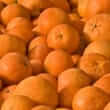
- Tangerine (Citrus reticulata) is a citrus fruit that is well known for being sweet and easy to peel. The name tangerine comes from Tangier, Morocco, the port from which the first tangerines were shipped to Europe. Tangerine contains vitamin C, folate, and beta-carotene. In Korea, tangerine peel has traditionally been used to promote liver qi activity and the function of the digestive system.
- Tangerine may have antioxidant and anti-cancer properties. However, there is currently a lack of available evidence in humans to support the use of tangerine for any medical indication.
Ingredients
Tangerine (Citrus reticulata)
Explore the available health information, treatment context, and integrative evidence for Tangerine (Citrus reticulata).
Evidence Ledger
Grades describe the evidence for Tangerine (Citrus reticulata) relative to each listed condition or goal.
Background
References
- Aslan A, Unal I, Karaguzel G, et al. A case of intestinal obstruction due to phytobezoar--an alternative surgical approach. Swiss.Surg 2003;9(1):35-37.
View Abstract - Backman JT, Maenpaa J, Belle DJ, et al. Lack of correlation between in vitro and in vivo studies on the effects of tangeretin and tangerine juice on midazolam hydroxylation. Clin Pharmacol Ther 2000;67(4):382-390.
View Abstract - Granado F, Olmedilla B, Blanco I, et al. Major fruit and vegetable contributors to the main serum carotenoids in the Spanish diet. Eur J Clin Nutr 1996;50(4):246-250.
View Abstract - Huang HY, Chang CK, Tso TK, et al. Antioxidant activities of various fruits and vegetables produced in Taiwan. Int J Food Sci Nutr 2004;55(5):423-429.
View Abstract - Irwig MS, El Sohemy A, Baylin A, et al. Frequent intake of tropical fruits that are rich in beta-cryptoxanthin is associated with higher plasma beta-cryptoxanthin concentrations in Costa Rican adolescents. J Nutr 2002;132(10):3161-3167.
View Abstract - Kang SA, Park HJ, Kim MJ, et al. Citri Reticulatae Viride Pericarpium extract induced apoptosis in SNU-C4, human colon cancer cells. J Ethnopharmacol 2-28-2005;97(2):231-235.
View Abstract - Kim MJ, Park HJ, Hong MS, et al. Citrus Reticulata blanco induces apoptosis in human gastric cancer cells SNU-668. Nutr Cancer 2005;51(1):78-82.
View Abstract - Li Y, Xu C, Zhang Q, et al. In vitro anti-Helicobacter pylori action of 30 Chinese herbal medicines used to treat ulcer diseases. J Ethnopharmacol 4-26-2005;98(3):329-333.
View Abstract - Murakami A, Nakamura Y, Ohto Y, et al. Suppressive effects of citrus fruits on free radical generation and nobiletin, an anti-inflammatory polymethoxyflavonoid. Biofactors 2000;12(1-4):187-192.
View Abstract - Rincon AM, Vasquez AM, Padilla FC. [Chemical composition and bioactive compounds of flour of orange (Citrus sinensis), tangerine (Citrus reticulata) and grapefruit (Citrus paradisi) peels cultivated in Venezuela]. Arch Latinoam.Nutr 2005;55(3):305-310.
View Abstract - Sugiyama S, Umehara K, Kuroyanagi M, et al. Studies on the differentiation inducers of myeloid leukemic cells from Citrus species. Chem Pharm Bull (Tokyo) 1993;41(4):714-719.
View Abstract - Tian Q, Miller EG, Ahmad H, et al. Differential inhibition of human cancer cell proliferation by citrus limonoids. Nutr Cancer 2001;40(2):180-184.
View Abstract - Vilaplana J, Romaguera C. Contact dermatitis from the essential oil of tangerine in fragrance. Contact Dermatitis 2002;46(2):108.
View Abstract - Vinson JA, Liang X, Proch J, et al. Polyphenol antioxidants in citrus juices: in vitro and in vivo studies relevant to heart disease. Adv Exp Med Biol 2002;505:113-122.
View Abstract - Yuan JM, Wang XL, Xiang YB, et al. Preserved foods in relation to risk of nasopharyngeal carcinoma in Shanghai, China. Int J Cancer 2-1-2000;85(3):358-363.
View Abstract