
- Animal companionship has been used as an informal source of comfort and relief of suffering across cultures throughout history.
- For over 40 years, pet therapy has been a subject of serious study for nursing and other healthcare disciplines concerned with emotional well-being and quality of life.
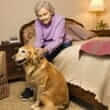
- Pet therapy is used with people of all ages, but particularly with children and the elderly.
- Pet therapy offers psychological benefits in terms of emotional connection, stress reduction, and reduced feelings of loneliness or isolation.
- Pet therapy is used in clinical programs to treat social or emotional difficulties and communication disorders.
Therapies
Pet therapy
Explore the available health information, treatment context, and integrative evidence for Pet therapy.
Evidence Ledger
Grades describe the evidence for Pet therapy relative to each listed condition or goal.
Background
References
- Allen K, Shykoff BE, Izzo JL Jr. Pet ownership, but not ace inhibitor therapy, blunts home blood pressure responses to mental stress. Hypertension 2001;38(4):815-820.
View Abstract - Banks MR, Banks WA. The effects of animal-assisted therapy on loneliness in an elderly population in long-term care facilities. J Gerontol.A Biol Sci Med Sci 2002;57(7):M428-M432.
View Abstract - Barker SB, Pandurangi AK, Best AM. Effects of animal-assisted therapy on patients' anxiety, fear, and depression before ECT. J ECT 2003;19(1):38-44.
View Abstract - Churchill M, Safaoui J, McCabe BW, et al. Using a therapy dog to alleviate the agitation and desocialization of people with Alzheimer's disease. J Psychosoc Nurs Ment Health Serv 1999;37(4):16-22.
View Abstract - Edwards NE, Beck AM. Animal-assisted therapy and Nutrition in Alzheimer's disease. West J Nurs Res 2002;24(6):697-712.
View Abstract - Enoch DA, Karas JA, Slater JD, et al. MRSA carriage in a pet therapy dog. J Hosp Infect 2005;60(2):186-188.
View Abstract - Fick KM. The influence of an animal on social interactions of nursing home residents in a group setting. Am J Occup Ther 1993;47(6):529-534.
View Abstract - Guay DR. Pet-assisted therapy in the nursing home setting: potential for zoonosis. Am J Infect Control 2001;29(3):178-186.
View Abstract - Hall PL, Malpus Z. Pets as therapy: effects on social interaction in long-stay psychiatry. Br.J Nurs. 11-23-2000;9(21):2220-2225.
View Abstract - Jessen J, Cardiello F, Baun MM. Avian companionship in alleviation of depression, loneliness, and low morale of older adults in skilled rehabilitation units. Psychol Rep 1996;78(1):339-348.
View Abstract - Kovacs Z, Kis R, Rozsa S, et al. Animal-assisted therapy for middle-aged schizophrenic patients living in a social institution. A pilot study. Clin.Rehabil 2004;18(5):483-486.
View Abstract - Nathans-Barel I, Feldman P, Berger B, et al. Animal-assisted therapy ameliorates anhedonia in schizophrenia patients. A controlled pilot study. Psychother Psychosom 2005;74(1):31-35.
View Abstract - Richeson NE. Effects of animal-assisted therapy on agitated behaviors and social interactions of older adults with dementia. Am J Alzheimers Dis Other Demen 2003;18(6):353-358.
View Abstract - Sobo EJ, Eng B, Kassity-Krich N. Canine visitation (pet) therapy: pilot data on decreases in child pain perception. J Holist Nurs 2006 Mar;24(1):51-7.
View Abstract - Stasi MF, Amati D, Costa C, et al. Pet-therapy: a trial for institutionalized frail elderly patients. Arch Gerontol Geriatr Suppl 2004;(9):407-412.
View Abstract