
- Pantethine is a naturally occurring compound and the active form of pantothenic acid. Structurally, pantethine is a disulfide form of pantothenic acid; it is metabolized to coenzyme A. Pantethine received its name from the Greek word pantos, which means "everywhere" because it was in a wide variety of foods such as fish, legumes, organ meats, whole grains, and yogurt.
- Research has demonstrated that pantethine, when taken by mouth, can be used for lowering cholesterol. It is also used for lowering cardiovascular risk, improving energy, improving adrenal function, and preventing allergy symptoms in people allergic to formaldehyde. Reliable evidence on pantethine for enhancing exercise performance is lacking.
- Pantethine is believed to have lipid-modulating properties. It has been used to help convert fat and carbohydrates to energy. Pantethine has also been used to support adrenal function and act as an anti-stress aid.
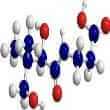
Ingredients
Pantethine (D-bis-(N-Pantothenyl-B-aminoethyl)-disulfide)
Explore the available health information, treatment context, and integrative evidence for Pantethine (D-bis-(N-Pantothenyl-B-aminoethyl)-disulfide).
Evidence Ledger
Grades describe the evidence for Pantethine (D-bis-(N-Pantothenyl-B-aminoethyl)-disulfide) relative to each listed condition or goal.
Background
References
- Angelico M, Pinto G, Ciaccheri C, et al. Improvement in serum lipid profile in hyperlipoproteinemic patients after treatment with pantethine: crossover, double blind trial versus placebo. Current Therapeutic Research 1983;33(June Sec 2):1091-1097.
- Berni Canani M, Berni Canani R. Evaluation of the efficacy and tolerability of an association of cyproheptadine, carnitine and pantethine in the treatment of anorexia in children. Double blind clinical trial vs. cyproheptadine. Toxicologica et Therapeutica 1988;9(1):81-100.
- Braverman ER. Nutrition for the heart. Part 2. Natural Pharmacy 1999;3:22-24.
- Cattin L, Da Col PG, Fonda M, et al. Treatment of hypercholesterolemia with pantethine and fenofibrate; open randomized study on 43 subjects. Current Therapeutic Research 1985;38(Sep):386-395.
- Da Col PG, Cattin L, Fonda M, et al. Pantethine in the treatment of hypercholesterolemia: a randomized double-blind trial versus tiadenol. Current Therapeutic Research 1984;38:719-727.
- Harding JJ. Can drugs or micronutrients prevent cataract? Drugs Aging 2001;18(7):473-486.
View Abstract - Hiraoka T Clark JI. Inhibition of lens opacification during the early stages of cataract formation. Invest Ophthalmol.Vis.Sci. 1995;36(12):2550-2555.
View Abstract - Kelly GS. Nutritional and botanical interventions to assist with the adaptation to stress. Altern.Med.Rev. 1999;4(4):249-265.
View Abstract - McCarty MF. Inhibition of acetyl-CoA carboxylase by cystamine may mediate the hypotriglyceridemic activity of pantethine. Med.Hypotheses 2001;56(3):314-317.
View Abstract - Miller AL, Kelley GS. Homocysteine metabolism: nutritional modulation and impact on health and disease. Altern.Med.Rev. 1997;2(4):234-255.
- Nomura H, Kimura Y, Okamoto O, et al. Effects of antihyperlipidemic drugs and diet plus exercise therapy in the treatment of patients with moderate hypercholesterolemia. Clin.Ther. 1996;18(3):477-482.
View Abstract - Osono Y, Hirose N, Nakajima K, et al. The effects of pantethine on fatty liver and fat distribution. J.Atheroscler.Thromb. 2000;7(1):55-58.
View Abstract - Pocecco, M. Treatment of infantile nephropathic cystinosis with cysteamine: 2. New England Journal of Medicine 1986;314(May 15):1320.
- Slyshenkov VS, Rakowska M, Moiseenok AG, et al. Pantothenic acid and its derivatives protect Ehrlich ascites tumor cells against lipid peroxidation. Free Radic.Biol.Med. 1995;19(6):767-772.
View Abstract - Webster MJ. Physiological and performance responses to supplementation with thiamin and pantothenic acid derivatives. Eur.J Appl.Physiol Occup.Physiol 1998;77(6):486-491.
View Abstract