
- Methionine is one of nine essential amino acids, so called because they cannot be made by the human body and must be obtained through the diet. Sources of methionine include protein-rich foods such as beef, chicken, fish, liver, pork, cottage cheese, eggs, lentils, pumpkin seeds, sesame seeds, sunflower seeds, and yogurt.
- Supplementary L-methionine has been used to treat symptoms of Parkinson's disease, insomnia, and severe acetaminophen (e.g., Tylenol®) poisoning. In addition, increased dietary intake of methionine has been shown to reduce the risk of a specific type of brain and spinal cord birth defect known as neural tube defects (NTDs). More well-designed human studies are needed to determine if methionine is safe and effective for treating any medical condition.
- Very high doses of supplementary methionine have been shown to increase levels of the amino acid homocysteine. High homocysteine levels are a risk factor for heart disease. Some studies have suggested links between methionine and cancer, but more research is needed before firm conclusions can be made.
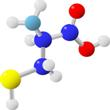
Ingredients
Methionine
Explore the available health information, treatment context, and integrative evidence for Methionine.
Evidence Ledger
Grades describe the evidence for Methionine relative to each listed condition or goal.
Background
References
- Btaiche IF and Khalidi N. Parenteral nutrition-associated liver complications in children. Pharmacotherapy 2002;22(2):188-211.
View Abstract - Cagnacci A, Generali M, Pirillo D, et al. Effects of low- or high-dose hormone therapy on fasting and post-methionine homocysteine levels in postmenopausal women. Climacteric 2006;9(5):388-95.
View Abstract - Cellarier E, Durando X, Vasson MP, et al. Methionine dependency and cancer treatment. Cancer Treat.Rev 2003;29(6):489-499.
View Abstract - Cottington EM, LaMantia C, Stabler SP, et al. Adverse event associated with methionine loading test: a case report. Arterioscler Thromb Vasc Biol 2002;22(6):1046-1050.
View Abstract - Epner, DE. Can dietary methionine restriction increase the effectiveness of chemotherapy in treatment of advanced cancer? J Am Coll Nutr 2001;20(5 Suppl):443S-449S.
View Abstract - Hamlyn AN, Lesna M, Record CO, et al. Methionine and cysteamine in paracetamol (acetaminophen) overdose, prospective controlled trial of early therapy. J Int Med Res 1981;9(3):226-231.
View Abstract - Hanratty CG, McGrath LT, McAuley DF, et al. The effects of oral methionine and homocysteine on endothelial function. Heart 2001;85(3):326-330.
View Abstract - Larsson SC, Giovannucci E, Wolk A. Methionine and vitamin B6 intake and risk of pancreatic cancer: a prospective study of Swedish women and men. Gastroenterology 2007;132(1):113-118.
View Abstract - Moss RL, Haynes AL, Pastuszyn A, et al. Methionine infusion reproduces liver injury of parenteral nutrition cholestasis. Pediatr Res 1999;45(5 Pt 1):664-668.
View Abstract - Shaw GM, Velie EM, Schaffer DM. Is dietary intake of methionine associated with a reduction in risk for neural tube defect-affected pregnancies? Teratology 1997;56(5):295-299.
View Abstract - Shoob HD, Sargent RG, Thompson SJ, et al. Dietary methionine is involved in the etiology of neural tube defect-affected pregnancies in humans. J Nutr 2001;131(10):2653-2658.
View Abstract - Tan Y, Zavala J Sr, Xu M, et al. Serum methionine depletion without side effects by methioninase in metastatic breast cancer patients. Anticancer Res 1996;16(6C):3937-3942.
View Abstract - Trumbo P, Schlicker S, Yates AA, et al. Dietary reference intakes for energy, carbohydrate, fiber, fat, fatty acids, cholesterol, protein and amino acids. J Am Diet Assoc 2002;102(11):1621-1630.
View Abstract - Van Brummelen R, du Toit D. L-methionine as immune supportive supplement: a clinical evaluation. Amino Acids 2007;33(1):157-63.
View Abstract - Ward M, McNulty H, McPartlin J, et al. Effect of supplemental methionine on plasma homocysteine concentrations in healthy men: a preliminary study. Int J Vitam Nutr Res 2001;71(1):82-86.
View Abstract