
- Lysine is a type of amino acid. Amino acids are the building blocks used to make proteins. Lysine is considered an "essential" amino acid because it cannot be created by the body. Instead, lysine must be supplied by the diet. Common dietary sources of lysine include meat, fish, dairy, eggs, soy, and legumes.
- Lysine comes in two distinct structural forms: L-lysine and D-lysine. L-lysine is the more common form of lysine. L-lysine is also the only form that is active within the body.
- Good scientific evidence suggests that lysine may be useful for treating lysine deficiency and some metabolic disorders. Early research also suggests that lysine may promote calcium metabolism and bone formation, as well as aid in the treatment and prevention of herpes simplex virus. However, more high-quality research is needed in these areas.
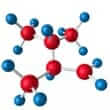
Ingredients
Lysine
Explore the available health information, treatment context, and integrative evidence for Lysine.
Evidence Ledger
Grades describe the evidence for Lysine relative to each listed condition or goal.
Background
References
- Kurpad AV, Young VR. What is apparent is not always real: lessons from lysine requirement studies in adult humans. J Nutr 2003;133(4):1227-1230. View Abstract
- Lukkarinen M, Nanto-Salonen K, Pulkki, K, et al.. Oral supplementation corrects plasma lysine concentrations in lysinuric protein intolerance. Metabolism 2003;52(7):935-938. View Abstract
- Miller CS, Foulke CN. Use of lysine in treating recurrent oral herpes simplex infections. Gen Dent 1984;32(6):490-493. View Abstract
- Milman N, Scheibel J, Jessen O. Failure of lysine treatment in recurrent herpes simplex labialis. Lancet 1978;2(8096):942. View Abstract
- Natarajan Sulochana K, Lakshmi S, Punitham R, et al. Effect of oral supplementation of free amino acids in type 2 diabetic patients-- a pilot clinical trial. Med Sci Monit 2002;8(3):CR131-CR137. View Abstract
- Perfect MM, Bourne N, Ebel C, et al. Use of complementary and alternative medicine for the treatment of genital herpes. Herpes 2005;12(2):38-41. View Abstract
- Peltola K, Heinonen OJ, Nanto-Salonen K, et al. Oral lysine feeding in gyrate atrophy with hyperornithinaemia--a pilot study. J Inherit Metab Dis 2000;23(4):305-307. View Abstract
- Pereira SM, Begum A, Jesudian G, et al. Lysine-supplemented wheat and growth of preschool children. Am J Clin Nutr 1969;22(5):606-611. View Abstract
- Smriga M, Ghosh S, Mouneimne Y, et al. Lysine fortification reduces anxiety and lessens stress in family members in economically weak communities in northwest Syria. Proc Natl Acad Sci U S A 2004;101(22):8285-8288. View Abstract
- Smriga M, Torii K. Metabolic interactions between restraint stress and L-lysine: the effect on urea cycle components. Amino Acids 2003;24(4):435-437. View Abstract
- Sulochana KN, Rajesh M, Ramakrishnan S. Insulin receptor tyrosine kinase activity in monocytes of type 2 diabetes mellitus patients receiving oral L-lysine. Indian J Biochem.Biophys 2001;38(5):331-334. View Abstract
- Tomblin FA Jr, Lucas, KH. Lysine for management of herpes labialis. Am J Health Syst Pharm 2001;58(4):298-300,304. View Abstract
- Williams MH. Facts and fallacies of purported ergogenic amino acid supplements. Clin Sports Med 1999;18(3):633-649. View Abstract
- Wright EF. Clinical effectiveness of lysine in treating recurrent aphthous ulcers and herpes labialis. Gen Dent 1994;42(1):40-42. View Abstract
- [The effect of L-lysine added to diet on growth and development of normal children (author's transl)]. Zhonghua Yi Xue Za Zhi 1982;62(1):11-12. View Abstract