
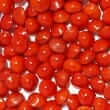
- Abrin, a constituent of jequirity (Abrus precatorius), is toxic and ingestion of one bean by a child may be fatal. However, the boiled seeds of Abrus precatorius L. are eaten by the residents of the Andaman Islands in India; boiling the seeds reportedly deactivates the toxins. Abrin is being investigated for the treatment of experimental cancers and is used as a "molecular probe" to investigate cell function.
- In folk medicine, jequirity is used orally to quicken labor, as an abortifacient (induces abortion), oral contraceptive, to treat diabetes and chronic nephritis (kidney inflammation), and as analgesic (pain reliever) in terminally ill patients. The whole plant has been used for ophthalmic (eye) inflammations.
Ingredients
Jequirity
Explore the available health information, treatment context, and integrative evidence for Jequirity.
Evidence Ledger
Grades describe the evidence for Jequirity relative to each listed condition or goal.
Background
References
- Anam EM. Anti-inflammatory activity of compounds isolated from the aerial parts of Abrus precatorius (Fabaceae). Phytomedicine. 2001;8(1):24-27.
View Abstract - Dickers KJ, Bradberry SM, Rice P, et al. Abrin poisoning. Toxicol.Rev. 2003;22(3):137-142.
View Abstract - Fernando C. Poisoning due to Abrus precatorius (jequirity bean). Anaesthesia 2001;56(12):1178-1180.
View Abstract - Kuo SC, Chen SC, Chen LH, et al. Potent antiplatelet, anti-inflammatory and antiallergic isoflavanquinones from the roots of Abrus precatorius. Planta Med 1995;61(4):307-312.
View Abstract - Moshi MJ, Kagashe GA, Mbwambo ZH. Plants used to treat epilepsy by Tanzanian traditional healers. J Ethnopharmacol. 2-28-2005;97(2):327-336.
View Abstract - Nath D, Sethi N, Singh RK, et al. Commonly used Indian abortifacient plants with special reference to their teratologic effects in rats. J Ethnopharmacol. 1992;36(2):147-154.
View Abstract - Ndamba J, Nyazema N, Makaza N, et al. Traditional herbal remedies used for the treatment of urinary schistosomiasis in Zimbabwe. J.Ethnopharmacol. 1994;42(2):125-132.
View Abstract - Nwodo OF, Alumanah EO. Studies on Abrus precatorius seeds. II: Antidiarrhoeal activity. J Ethnopharmacol. 1991;31(3):395-398.
View Abstract - Ohba H, Moriwaki S, Bakalova R, et al. Plant-derived abrin-a induces apoptosis in cultured leukemic cell lines by different mechanisms. Toxicol.Appl.Pharmacol. 3-1-2004;195(2):182-193.
View Abstract - Ohba H, Toyokawa T, Yasuda S, et al. Spectroscopic analysis of the cytoagglutinating activity of abrin-b isolated from Abrus precatorius seeds against leukemic cells. Biosci.Biotechnol.Biochem. 1997;61(4):737-739.
View Abstract - Pillay VV, Bhagyanathan PV, Krishnaprasad R, et al. Poisoning due to white seed variety of Abrus precatorius. J Assoc Physicians India 2005;53:317-319.
View Abstract - Ramnath V, Kuttan G, Kuttan R. Immunopotentiating activity of abrin, a lectin from Abrus precatorius Linn. Indian J Exp Biol 2002;40(8):910-913.
View Abstract - Ramos MV, Sampaio AH, Cavada, BS, et al. Characterization of the sugar-binding specificity of the toxic lectins isolated from Abrus pulchellus seeds. Glycoconj.J 2001;18(5):391-400.
View Abstract - Ratnasooriya WD, Amarasekera AS, Perera NS, et al. Sperm antimotility properties of a seed extract of Abrus precatorius. J.Ethnopharmacol. 1991;33(1-2):85-90.
View Abstract - Zambenedetti P, Giordano R, Zatta P. Histochemical localization of glycoconjugates on microglial cells in Alzheimer's disease brain samples by using Abrus precatorius, Maackia amurensis, Momordica charantia, and Sambucus nigra lectins. Exp.Neurol. 1998;153(1):167-171.
View Abstract