
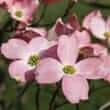
- Dogwood (Cornus spp.) is a deciduous tree that has showy, four-petal flowers in early spring. The indigenous peoples of the boreal forest in Canada traditionally used Cornus stolonifera for diabetes or its complications. Elders of the Saanich and Cowichan Coast Salish people of the southern Vancouver Island used Cornus nuttallii bark to treat respiratory ailments.
- There is limited human evidence about the use of dogwood for use in cancer and as an antioxidant. However, future studies may investigate these areas further. Dogwood has been studied with other herbs to see its effects on hormone levels in postmenopausal and infertile women, although currently, there is a lack of strong evidence for these conditions.
Ingredients
Dogwood (Cornus spp.)
Explore the available health information, treatment context, and integrative evidence for Dogwood (Cornus spp.).
Evidence Ledger
Grades describe the evidence for Dogwood (Cornus spp.) relative to each listed condition or goal.
Background
References
Natural Standard developed the above evidence-based information based on a thorough systematic review of the available scientific articles. For comprehensive information about alternative and complementary therapies on the professional level, go to . Selected references are listed below.
- Chang JS, Chiang LC, Hsu FF, et al. Chemoprevention against hepatocellular carcinoma of Cornus officinalis in vitro. Am J Chin Med 2004;32(5):717-725.
View Abstract - Chao SL, Huang LW, Yen HR. Pregnancy in premature ovarian failure after therapy using Chinese herbal medicine. Chang Gung Med J 2003;26(6):449-452.
View Abstract - Jeng H, Wu CM, Su SJ, et al. A substance isolated from Cornus officinalis enhances the motility of human sperm. Am J Chin Med 1997;25(3-4):301-306.
View Abstract - Kim HY, Oh JH. Screening of Korean forest plants for rat lens aldose reductase inhibition. Biosci Biotechnol Biochem 1999;63(1):184-188.
View Abstract - Liang R, Chen MR, Xu X. [Effect of dandi tablet on blood lipids and sex hormones in women of postmenopausal stage]. Zhongguo Zhong Xi Yi Jie He Za Zhi 2003;23(8):593-595.
View Abstract - McCune LM, Johns T. Antioxidant activity in medicinal plants associated with the symptoms of diabetes mellitus used by the indigenous peoples of the North American boreal forest. J Ethnopharmacol 2002;82(2-3):197-205.
View Abstract - Min BS, Kim YH, Tomiyama M, et al. Inhibitory effects of Korean plants on HIV-1 activities. Phytother Res 2001;15(6):481-486.
View Abstract - Nishino C, Kobayashi K, Fukushima M. Halleridone, a cytotoxic constituent from Cornus controversa. J Nat Prod 1988;51(6):1281-1282.
View Abstract - Renault S, Croser C, Franklin JA, et al. Effects of consolidated tailings water on red-osier dogwood (Cornus stolonifera Michx) seedlings. Environ Pollut 2001;113(1):27-33.
View Abstract - Turner NJ, Hebda RJ. Contemporary use of bark for medicine by two Salishan native elders of southeast Vancouver Island, Canada. J Ethnopharmacol 1990;29(1):59-72.
View Abstract - Xu HQ, Hao HP, Zhang X, et al. Morroniside protects cultured human umbilical vein endothelial cells from damage by high ambient glucose. Acta Pharmacol Sin 2004;25(4):412-415.
View Abstract