
- Devil's club, a member of the ginseng family (Araliaceae), has long been used for many medical conditions by indigenous peoples of Alaska and the Pacific Northwest. Among the traditional medical uses of devil's club, the most widespread is for the treatment of external and internal infections.
- Traditionally, the inner bark of aerial stems was used. The most modern commercial preparations, however, use the root. Western herbalists use devil's club as a respiratory stimulant and expectorant, and for autoimmune conditions, eczema, external infections, internal infections, rheumatoid arthritis, sores and type II diabetes. They also use it to lower blood sugar and increase general well-being, and as a pancreatic tonic. At this time, there are no high-quality human trials supporting the use of devil's club for any indication.
- As with many medicinal plants, there is concern about the commercialization of devil's club. This concern stems from the need to respect the intellectual property rights of the people from which the knowledge originated, compensate the original users of the plant, and align current uses ethically and culturally within the ethnobotanical context, all in the midst of the failures of the current legal mechanisms to accomplish these goals.
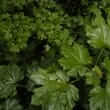
Ingredients
Devil's club (Oplopanax horridus)
Explore the available health information, treatment context, and integrative evidence for Devil's club (Oplopanax horridus).
Evidence Ledger
Grades describe the evidence for Devil's club (Oplopanax horridus) relative to each listed condition or goal.
Background
References
- Bloxton JD. Notes on Economic Plants: Bioactive constituents of Alaskan devil's root (Oplopanx horridus, Araliaceae). Econ Bot. 2002;56(3):285-289.
- Gruber JW, Kittipongpatana N, Bloxton JD, et al. High-performance liquid chromatography and thin-layer chromatography assays for Devil's Club (Oplopanax horridus). J Chromatogr Sci 2004;42(4):196-199.
View Abstract - Justice JW. Use of devil's club in Southeast Alaska. Alaska Med 1966;8(2):36-39.
View Abstract - Kobaisy M, Abramowski Z, Lermer L, et al. Antimycobacterial polyynes of Devil's Club (Oplopanax horridus), a North American native medicinal plant. J Nat Prod 1997;60(11):1210-1213.
View Abstract - Lantz T, Swerhun K, Turner N. Devil's club an ethnobotanical review. HerbalGram 2004;(62):33-48.
- McCutcheon AR, Ellis SM, Hancock RE, et al. Antibiotic screening of medicinal plants of the British Columbian native peoples. J Ethnopharmacol 1992;37(3):213-223.
View Abstract - McCutcheon AR, Ellis SM, Hancock RE, et al. Antifungal screening of medicinal plants of British Columbian native peoples. J Ethnopharmacol 1994;44(3):157-169.
View Abstract - McCutcheon AR, Roberts TE, Gibbons E, et al. Antiviral screening of British Columbian medicinal plants. J Ethnopharmacol 1995;49(2):101-110.
View Abstract - Mi HM, Li CG, Su ZW, et al. [Studies on the chemical constituents and antifungal activities of essential oil from Oplopanax elatus nakai]. Yao Xue Xue Bao 1987;22(7):549-552.
View Abstract - Smith GW. Arctic pharmacognosia II. Devil's Club, Oplopanax horridus. J Ethnopharmacol 1983;7(3):313-320.
View Abstract - Stuhr ET, Henry FB. An investigation of the root bark of Fastia horrida. Pharm Archives 1944;(15):9-15.
- Turner NJ. Traditional Use of Devil's-Club (Oplopanax horridus; Araliaceae) by Native Peoples in Western North America. J Ethnobiol 1982;2(1):17-38.
- Wattenberg LW. Inhibition of azoxymethane-induced neoplasia of the large bowel by 3-hydroxy-3,7,11-trimethyl-1,6,10-dodecatriene (nerolidol). Carcinogenesis 1991;12(1):151-152.
View Abstract