
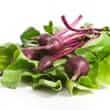
- Betaine is found in most microorganisms, plants, and marine animals. Its main physiologic functions are to protect cells under stress and as a source of methyl groups needed for many biochemical pathways. Betaine is also found naturally in many foods and is most highly concentrated in beets, spinach, grain, and shellfish.
- Betaine supplementation has historically been used in the treatment of homocysteinuria due to genetic deficiencies in the cystathione beta synthase and methylenetetrahydrofolate reductase genes.
- Betaine supplementation may reduce circulating levels of homocysteine, a potential risk factor for heart disease, stroke, cancer, and Alzheimer's disease.
- Betaine supplementation has been thought to improve hepatic steatosis, from both alcoholic and nonalcoholic etiologies. While many animal studies have provided plausible mechanisms, data from human studies are limited.
- Betaine in the form of cocamidopropylbetaine has been identified as a cause of contact allergy in some skin care products. In this same form, betaine has been studied as a potential replacement for sodium lauryl sulfate in toothpastes to reduce dry mouth, ulcers, and other mucosal irritations.
- Since the 1980s, betaine has been used as a treatment option for subjects who have homocystenuria, due to a genetic defect in the cystathione beta-synthase (CBS) gene. Pyridoxine (vitamin B6) was beneficial in only 50% of CBS patients, and betaine was a therapeutic option for homocysteine reduction in these unresponsive patients. Benefit was also seen among pyridoxine-responsive patients.
- Early anecdotal reports showed that among CBS variants, treatment with betaine, in addition to B6 and methionine restriction, prevented or delayed clinical complications of the disease, including cardiovascular disease before age 30.
Ingredients
Betaine anhydrous
Explore the available health information, treatment context, and integrative evidence for Betaine anhydrous.
Evidence Ledger
Grades describe the evidence for Betaine anhydrous relative to each listed condition or goal.
Background
References
- Abdelmalek MF, Angulo P, Jorgensen RA, et al. Betaine, a promising new agent for patients with nonalcoholic steatohepatitis: results of a pilot study. Am.J.Gastroenterol. 2001;96(9):2711-2717.
View Abstract - Alfthan G, Tapani K, Nissinen K, et al. The effect of low doses of betaine on plasma homocysteine in healthy volunteers. Br.J.Nutr. 2004;92(4):665-669.
View Abstract - Brattstrom L, Wilcken DE, Ohrvik J, et al. Common methylenetetrahydrofolate reductase gene mutation leads to hyperhomocysteinemia but not to vascular disease: the result of a meta-analysis. Circulation 12-8-1998;98(23):2520-2526.
View Abstract - Craig SA. Betaine in human nutrition. Am.J.Clin.Nutr. 2004;80(3):539-549.
View Abstract - Holm PI, Ueland PM, Vollset SE, et al. Betaine and folate status as cooperative determinants of plasma homocysteine in humans. Arterioscler.Thromb.Vasc.Biol 2005;25(2):379-385.
View Abstract - Kelly TL, Neaga OR, Schwahn BC, et al. Infertility in 5,10-methylenetetrahydrofolate reductase (MTHFR)-deficient male mice is partially alleviated by lifetime dietary betaine supplementation. Biol Reprod 2005;72(3):667-677.
View Abstract - Kharbanda KK, Rogers DD, Mailliard ME, et al. A comparison of the effects of betaine and S-adenosylmethionine on ethanol-induced changes in methionine metabolism and steatosis in rat hepatocytes. J Nutr 2005;135(3):519-524.
View Abstract - McGregor, D. O., Dellow, W. J., Robson, R. A., Lever, M., George, P. M., and Chambers, S. T. Betaine supplementation decreases post-methionine hyperhomocysteinemia in chronic renal failure. Kidney Int. 2002;61(3):1040-1046.
View Abstract - Miglio F, Rovati LC, Santoro A, et al. Efficacy and safety of oral betaine glucuronate in non-alcoholic steatohepatitis. A double-blind, randomized, parallel-group, placebo-controlled prospective clinical study. Arzneimittelforschung. 2000;50(8):722-727.
View Abstract - Olthof MR, van Vliet T, Boelsma E, et al. Low dose betaine supplementation leads to immediate and long term lowering of plasma homocysteine in healthy men and women. J.Nutr. 2003;133(12):4135-4138.
View Abstract - Olthof MR, van Vliet T, Verhoef P, et al. Effect of homocysteine-lowering nutrients on blood lipids: results from four randomised, placebo-controlled studies in healthy humans. PLoS.Med 2005;2(5):e135.
View Abstract - Schwab U, Torronen A, Meririnne E, et al. Orally administered betaine has an acute and dose-dependent effect on serum betaine and plasma homocysteine concentrations in healthy humans. J Nutr 2006;136(1):34-38.
View Abstract - Schwab U, Torronen A, Toppinen L, et al. Betaine supplementation decreases plasma homocysteine concentrations but does not affect body weight, body composition, or resting energy expenditure in human subjects. Am.J.Clin.Nutr. 2002;76(5):961-967.
View Abstract - van Guldener C, Janssen MJ, Lambert J, et al. Folic acid treatment of hyperhomocysteinemia in peritoneal dialysis patients: no change in endothelial function after long-term therapy. Perit.Dial.Int 1998;18(3):282-289.
View Abstract - Zeisel SH, Mar MH, Howe JC, et al. Concentrations of choline-containing compounds and betaine in common foods. J.Nutr. 2003;133(5):1302-1307.
View Abstract